China has become one of the world's largest sources of hyaluronic-acid dermal fillers, mesotherapy solutions, and biostimulators — supplying clinics, distributors, and private-label brands across the US, Europe, and beyond. But "made in China" spans everything from world-class, medical-grade production to unregulated, uncertified vials. If you're sourcing fillers for your clinic or building your own brand, here's how to tell the difference and choose the right OEM/ODM partner.
Why buyers source dermal fillers from China
The appeal is straightforward: competitive manufacturing cost, mature HA production, and full private-label flexibility. A capable Chinese manufacturer can produce a filler that rivals premium Western brands at a fraction of the landed cost — and let you put your own brand on it, which is where distributor and clinic margins actually live. The catch is that quality varies enormously between suppliers, so vetting is everything.
The 7 things to check before you buy
1. Certifications — and which markets they cover. Look for CE, ISO 13485, and SGS at minimum. But certification isn't universal: a filler legal in one region may not be approved in another. In the US, the FDA regulates dermal fillers as medical devices and only a specific list is FDA-cleared. Always confirm what's approved in your target market before importing.
2. Raw material (HA) grade. This is the single biggest quality variable. Premium manufacturers use pharmaceutical-grade hyaluronic acid — dramatically purer than the cheapest industrial grades — which affects safety, smoothness, and longevity. Ask directly what grade of HA is used and request the specification.
3. Cross-linking technology. The cross-linking process (and residual cross-linker removal) determines a filler's firmness, lift capacity, and safety. Ask about the technology, the BDDE residual levels, and cohesivity data.
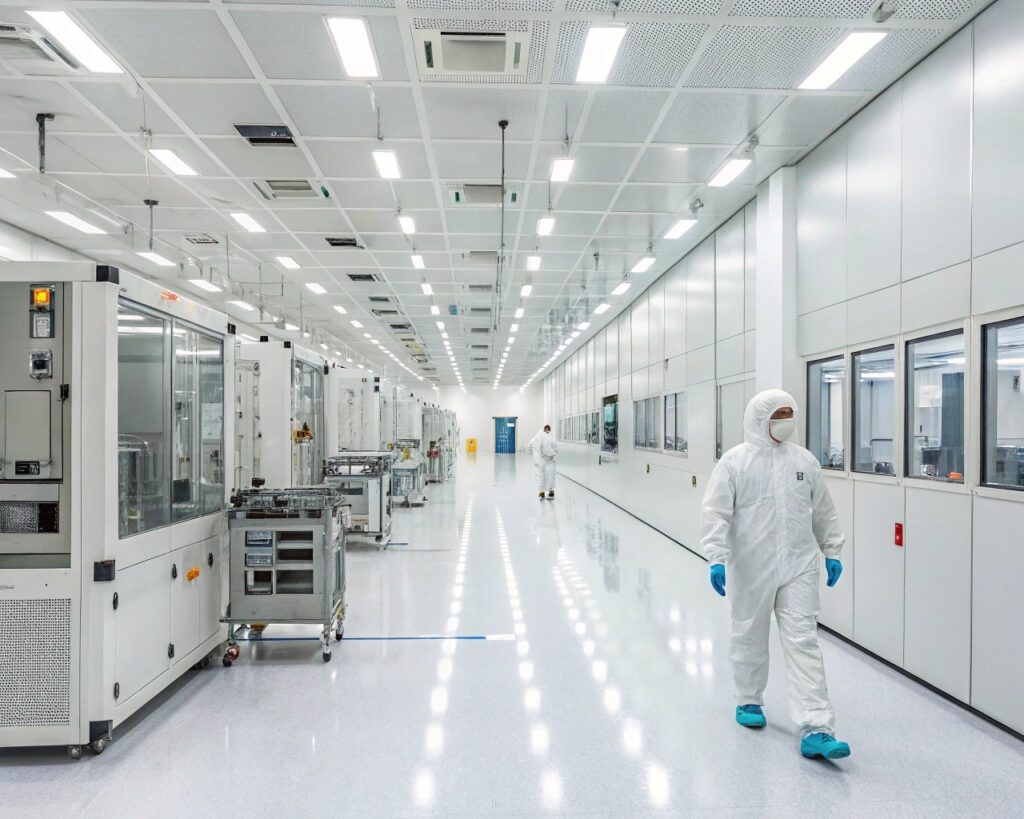
4. Sterility & manufacturing environment. Insist on GMP-standard production and clean-room manufacturing (e.g., Class 100 / ISO 5 for filling). Poor sterility is the root cause of many filler complications.
5. Product range & specialization. A partner who makes the full range — HA fillers, PLLA biostimulators, PDRN and mesotherapy — lets you build a complete brand from one vetted source, with consistent quality control.
6. OEM/ODM & private-label capability. Confirm they can customize what you actually need: formula, concentration, lidocaine option, packaging, logo, and documentation — with a reasonable MOQ. This is the difference between reselling generic vials and owning a real brand.
7. Track record & documentation support. Years in business, brands served, and — critically — whether they'll provide the technical and regulatory documentation your market's registration process requires.
Red flags to walk away from
No verifiable certifications, or certificates that can't be validated.
Vague answers about HA grade or cross-linking.
No clean-room / GMP evidence.
Unusually cheap pricing with no documentation (often a sign of uncertified product).
Pressure to buy products not approved in your market without disclosing that status.
What a strong partner looks like
A reliable Chinese filler manufacturer should combine medical-grade production, transparent specifications, a full product range, and real private-label support. AOMA, for example, is a hyaluronic acid filler OEM/ODM manufacturer with 20+ years of production, CE/ISO/SGS certification, pharmaceutical-grade HA, and clean-room manufacturing — spanning HA dermal fillers, biostimulators, PDRN, and mesotherapy under one roof, with full private-label customization for brands and distributors.
The point isn't which manufacturer you choose — it's that you vet against these criteria rather than on price alone. A filler is a medical product going into someone's face; the cheapest vial is rarely the right one.
Sourcing your line
Whether you're a clinic consolidating suppliers, a distributor entering a new market, or a brand launching private-label fillers, start by matching a manufacturer's certifications and product range to your market's regulations and your brand's needs.
Ready to source or private-label dermal fillers?Request a quote and product catalog to review specifications, certifications, MOQ, and customization options — and confirm the regulatory pathway for your country before importing.
FAQ
Are dermal fillers from China good quality? They range widely. Top Chinese manufacturers produce medical-grade, CE/ISO-certified fillers comparable to Western brands; uncertified suppliers do not. Vetting on certification and HA grade is essential.
What certifications should a dermal filler manufacturer have? At minimum CE, ISO 13485, and SGS — plus whatever approval your specific target market requires (for example, FDA clearance for the US).
Can I put my own brand on Chinese dermal fillers? Yes — reputable OEM/ODM manufacturers offer private-label customization of formula, packaging, and branding, usually with a defined minimum order quantity.
How do I choose the best dermal filler supplier? Check certifications, HA grade, cross-linking technology, sterility standards, product range, private-label capability, and documentation support — and confirm what's legal in your market.
Dr. Emily Carter (MD, Fellow of the American Academy of Dermatology) is a board-certified cosmetic surgeon in New York City with over 9 years of specialized experience in hyaluronic acid fillers, acne scar treatment, and minimally invasive facial contouring. She is particularly recognized for her expertise in advanced injectable therapies that effectively lighten acne scars, promote skin healing, and restore smoothness through targeted skin repair injection and skin booster techniques.